

Feeling “stuck” is one of the most common — and least talked about — experiences in eating disorder recovery. It can show up as going through the motions without feeling any shift, wanting things to change but not knowing how to move forward, or feeling caught between the safety of familiar behaviours and the uncertainty of recovery.
This doesn’t mean recovery isn’t working. In fact, feeling stuck is often a meaningful part of the eating disorder recovery journey.
Recovery is not a straight line. There are moments of movement, moments of rest, and moments where everything seems to pause. These pauses can be unsettling, especially in a world that values progress, productivity and visible change. But in recovery, stillness doesn’t equal failure. Sometimes it’s a sign that your mind and body are processing, recalibrating, or protecting you from moving too fast.
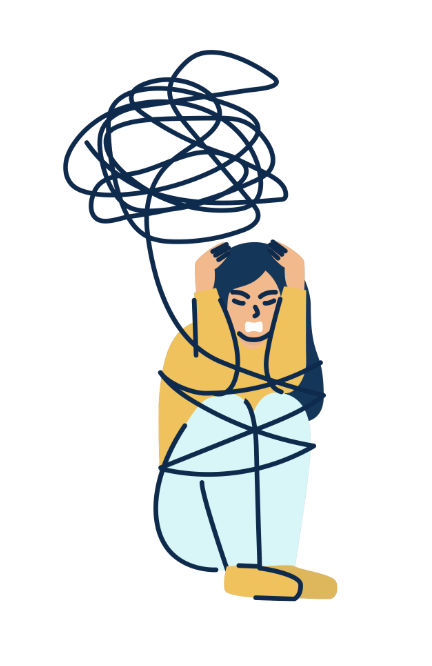
Understanding the pause without blame
Many people feel stuck when the eating disorder has been serving a purpose — providing control, predictability, or relief from difficult emotions. Letting go of something that has helped you cope, even when it causes harm, is rarely simple. Feeling unsure, conflicted, or hesitant is a human response, not a weakness.
Rather than asking, “What’s wrong with me?”, it can be more helpful to ask, “What might this feeling be trying to tell me?” Often, it points to a need for safety, compassion, or support, not pressure.
Getting unstuck doesn’t require dramatic change. It often begins with noticing what feels hard right now, naming it without judgement, and allowing yourself to take one small, supportive step. Sometimes, staying engaged even when things feel static is progress in itself.
“How Did I End Up Here?” Making sense of eating disorder recovery without blame
At some point in eating disorder recovery, many people find themselves asking, “How did I end up here?” This question can bring curiosity, confusion, grief, or shame. Without care, it can easily turn into self-blame or harsh self-criticism.
But eating disorders do not appear out of nowhere and they are never a personal failing.
For many individuals, eating disorders develop as coping mechanisms. They may emerge during periods of stress, transition, pressure, loss, or emotional overwhelm. Over time, behaviours around food, exercise, or control can begin to serve a purpose — helping someone manage difficult feelings or regain a sense of certainty when life feels unpredictable.
Understanding eating disorder coping mechanisms does not mean revisiting every detail of the past or assigning fault to yourself or anyone else. Insight is not about finding one cause; it’s about recognising patterns with compassion.
Helpful questions might include:
- What was happening in my life when these coping mechanisms developed?
- What need might they have been meeting at the time?
- What was I trying to manage, protect myself from, or survive?
Approached gently, these reflections can reduce shame and help make sense of why recovery can feel so challenging. They can also highlight what support may be needed now: whether that’s safety, structure, flexibility, rest, or connection.
Eating disorder recovery is not about undoing the past. It’s about understanding it enough to move forward differently.
Moving forward in eating disorder recovery — gently
You do not need to have all the answers to begin or continue eating disorder recovery. You don’t need to feel motivated, confident, or certain. And you don’t need to force yourself out of feeling stuck.
Recovery often begins with understanding — noticing where you are, recognising how you got here, and identifying what feels possible right now. Even small shifts in awareness can create space for movement.
If you’re feeling stuck in your eating disorder recovery, you are not alone. And if you’re asking difficult questions, that doesn’t mean you’re going backwards — it often means you’re beginning to look at yourself with honesty, curiosity, and care.
If you’re feeling stuck, you are not alone. And if you’re asking difficult questions, that doesn’t mean you’re going backwards — it often means you’re beginning to look at yourself with honesty and care.
We’re here to help
If you or someone you care about is struggling, get in touch with Orri’s team. We’re here to listen, advise, and offer a safe space for recovery.